Conditions | Www.childrenshospital.org


7 Types Of Eye Infections, Their Symptoms, And How To Treat Them
Examples of types of eye infections include conjunctivitis, keratitis, and cellulitis. Symptoms can include itchiness, discharge, vision changes, and more. Treatment can depend on whether the infection is bacterial or viral.
While many minor eye infections heal well on their own, others can be serious and may cause permanent vision loss.
It is important to contact a health professional if a person has changes with their eyes or vision that could indicate an infection.
This article looks at the different potential eye infections and how to treat them.
Often called "pinkeye," this is the most common eye infection.
The conjunctiva is a thin layer of tissue that covers the whites of the eyes and insides of the eyelids. Conjunctivitis is an infection or inflammation of the conjunctiva.
A person may get the infection in one eye or both.
Types of conjunctivitis include:
Irritation from getting a chemical or foreign object in the eye can also cause conjunctivitis. A person may have excessive eye watering or discharge from the eye if this happens.
No matter what the cause of pinkeye, telltale symptoms include:
A health care professional can often recognize conjunctivitis by examining the eye and discussing the person's symptoms.
Many people can treat viral conjunctivitis at home.
Learn more about how to treat conjunctivitis at home here.
Medical treatments for pinkeye by type include:
A person should avoid touching their eye and should wash their hands frequently to avoid spreading conjunctivitis to others.
It is wise to contact a pediatrician if an infant has signs of conjunctivitis.
Keratitis is inflammation or infection of the cornea, which is the clear outer layer on the colored part of the eye.
The Centers for Disease Control and Prevention (CDC) state that improper contact lens care increases the risk of keratitis. Wearing lenses for too long or not cleaning and storing them correctly can increase the chance of germs getting into the cornea.
Without treatment, keratitis can cause scarring on the cornea and permanent loss of vision.
The different types of keratitis include:
Symptoms of keratitis include:
A doctor may need to use a special light to view the eye or send a sample of cells to a lab for testing to determine which type of keratitis a person is experiencing.
Treatment of keratitis may require antibiotic, antiviral, or antifungal medicine in the form of eye drops or pills.
Endophthalmitis is an infection of the fluid or tissue inside the eye. It requires immediate medical treatment, or it may cause blindness.
According to 2018 research, worldwide cataract surgery is the most common cause of this condition.
Two common types of endophthalmitis include:
Symptoms of endophthalmitis include:
The American Society of Retina Specialists say that most cases of endophthalmitis require antibiotic or antifungal injections and possibly emergency surgery.
Cellulitis is a bacterial or fungal infection. It can affect the skin and the eyes.
Two types of cellulitis may affect the eyes:
Symptoms of cellulitis in the eye include:
A doctor may diagnose cellulitis of the eye with certain scans or a blood test. They may also take a small sample of cells from the eyes or nose.
Cellulitis requires antibiotic treatment. Sometimes a person needs antibiotics given in the hospital. More severe cases may require surgery to drain fluid from the infection.
A stye is an infection in the eyelid, usually in an eyelash follicle or one of the oil glands of the eyelid.
Bacteria can cause a stye that may occur if a person touches their eye with unwashed hands or after touching their nose.
A stye may appear on the eyelash line or just inside the edge of the eyelid.
Symptoms include:
Most styes will clear on their own with home care.
A person can use a warm compress for 15 minutes, four times a day. They can also gently massage the nodule.
Learn more about how to get rid of a stye here.
Blepharitis is inflammation of the eyelids. Causes include bacterial infection, allergies, clogged oil glands in the eyelids, and certain skin conditions.
There are two main types of blepharitis:
Symptoms of blepharitis are:
A doctor may diagnose blepharitis through an eye exam and discussion of symptoms.
Blepharitis symptoms respond to home care. Regular cleaning of the eyelids and eyelashes with water and baby shampoo is helpful.
If a person has dandruff or rosacea, they can talk to a doctor about effective treatment for these conditions to help keep blepharitis under control.
Severe cases of blepharitis may require antibiotics or steroids.
Uveitis is inflammation of the uvea, which is the middle layer of the eyeball that contains the iris.
Doctors associate uveitis with certain health conditions, including:
Symptoms of uveitis include:
Doctors may diagnose uveitis with an eye exam, health history, blood tests, and imaging tests, such as an MRI.
Treatment may include steroids in the form of pills, eye drops, or injections.
Some eye infections, such as a stye or blepharitis, respond well to home care. However, other eye infections, such as endophthalmitis, are serious and can potentially lead to a permanent loss of vision.
If a person has signs of an eye infection, they should contact a doctor. Severe symptoms, such as extreme pain or a sudden loss of vision, require emergency medical care.
Likewise, if symptoms of a stye, blepharitis, or conjunctivitis fail to improve with home care, people should see a doctor.
There are many different types of eye infections. Most are not a cause for concern. However, some are an ocular emergency, and a person should seek medical help to reduce the chances of vision loss.
If a person notices bothersome changes with their eyes or vision, they should speak to a doctor.
What Can Cause Dry Skin Around The Eyes?
A person may experience dry skin around the eyes or under the eyes as a result of aging or the weather. It may also occur due to various skin conditions, such as eczema, contact dermatitis, or conjunctivitis.
This article will look at some of the common reasons for dry skin around the eyes, their associated symptoms, and treatment options.
It will also highlight some useful home remedies and prevention strategies, as well as explain when it is a good idea to speak with a doctor.
Dry skin can develop anywhere on the body. This includes the skin around the eyes, which is thinner and more delicate than skin elsewhere on the body.
The skin needs water and oils that it makes naturally to stay soft, supple, and stretchy. If the body does not get the oils or water it needs, skin can become dry.
Typical symptoms include:
According to the American Academy of Dermatology (AAD), some people have a higher chance of developing dry skin than others, including those:
Additionally, some medications, including statins and diuretics, can cause excessively dry skin.
TreatmentDry skin is common and is not usually anything to worry about.
To treat dry skin, a person can:
Eczema is the name for a group of skin conditions. The condition is very common, affecting more than 31 million people in the United States.
Some people can experience eczema around the eyes. According to the National Eczema Society, eyelid eczema is more common in people who also have eczema elsewhere on their face.
A person may experience itchy, inflamed, or scaly skin on the eyelid.
The following are types of eczema:
Atopic dermatitisAtopic dermatitis is the most common type of eczema. The AAD notes that it can often affect the eyes in adults. It can develop on the eyelids and around the eyes, causing the skin to become itchy and swollen. The skin around the eyes may also become thickened and darker.
Atopic dermatitis around the eyes may lead to eye conditions, such as conjunctivitis and keratitis, which is an inflamed cornea.
TreatmentIf a person develops atopic dermatitis around the eyes, they should contact a doctor, especially if they are experiencing eye problems that last longer than a few days.
Treatment for atopic dermatitis includes a skin care routine, such as applying moisturizer, and topical medications, such as corticosteroids and topical immunomodulators.
Seborrhoeic dermatitisSeborrheic dermatitis of the eyelids tends to affect just the area around the margins of the eyelids.
This type of eczema develops in places with a lot of oil-producing glands, or sebaceous glands.
Other common sites include:
TreatmentThe National Eczema Society recommends washing the area every day with a gentle cleanser. In addition, a person should:
Sometimes, doctors will recommend a specialized anti-fungal cream. In severe cases, they may suggest steroid or calcineurin inhibitor creams.
Contact dermatitisIrritants and allergens cause contact dermatitis. Contact dermatitis can occur on the eyelids when an irritant or allergen comes into contact with the skin. This can result from skincare products, makeup, and hair dye.
Sometimes, people might touch an irritatant or something they are allergic to, then rub their eyes. This transfers the irritant or allergen to the eyelid.
TreatmentIn many cases, the problem will resolve if the person stops using the product that is causing the reaction.
The skin on the eyelids is four times thinner than the skin on the rest of the face. As a result, doctors will recommend mild creams and emollients.
In severe cases, they may suggest steroid or calcineurin inhibitor creams.
If contact dermatitis returns or does not resolve with treatment, a person may need to undergo patch testing to find out which allergen or irritant is the cause.
Blepharitis is inflammation of the skin on the eyelid.
It usually happens when the skin reacts to bacteria that live on the skin. It is most common in people with seborrhoeic dermatitis, but it can affect anyone.
Symptoms include:
To treat the condition, people can:
Learn more about how to treat blepharitis here.
Conjunctivitis, or pinkeye, refers to the inflammation of the conjunctiva. This is the clear, outer covering of the eye.
Allergies, bacteria, and viruses can call cause conjunctivitis. Bacterial and viral conjunctivitis are infections and tend to be contagious.
Symptoms include:
Learn more about conjunctivitis here.
TreatmentPeople can treat conjunctivitis at home with a cold compress and artificial tears.
Sometimes, people may need medical treatment, such as antibiotics and antiviral medications.
A person can treat some causes of dry skin around the eyes at home.
Tips include using a warm or cold compress to ease symptoms like itching, and only using gentle cleaning products.
Creams and ointments can help to relieve dry skin.
According to the AAD, ingredients that can be beneficial include:
The best way to prevent dry skin around the eyes will depend on the cause.
To avoid developing dry skin, people can:
There is no cure for eczema, but people can help to prevent flare-ups by:
Anyone who experiences any of the following should speak with a doctor:
People who suspect they may have a form of eczema should also speak with a doctor, as they may require medicated creams and ointments.
Dry skin can happen anywhere on the body, including the skin around the eyes. It is common and not usually anything to worry about. Sometimes, eczema or infections can cause the problem.
A person can treat some causes of dry skin around the eyes at home. In other cases, a person might require medical help. This includes people who have pain in the eye or blurry vision.
In addition, if someone suspects they may have a form of eczema, they should talk with a doctor.
Pink Eye Concern Rises In Bengaluru As Colder Months Near
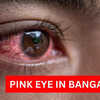
The condition, notorious for causing redness, swelling, and watery discharge in the eyes, is particularly common among school children.
Photo : Times Now
Bengaluru: While traditionally seen as a seasonal ailment, pink eye (conjunctivitis) is now a year-round health concern in Bengaluru. The condition, notorious for causing redness, swelling, and watery discharge in the eyes, is particularly common among school children.
According to a report by DH, there's been a shift in the patterns of this contagious eye disease. Even though the daily reported cases have reduced from August to early October, the risk remains. Dr. Pooja Khamar from Narayana Nethralaya highlighted that despite the decrease in numbers, the risk of pink eye remains prevalent, especially during the colder months due to higher chances of infections like cold and cough.
Related News Previous
Rheumatoid Arthritis Can Make You Blind; How To Get Treated

Pediatrician Lists Food Items To Give And Avoid If Your Child Has Diarrhoea

What Your Children's Poop Colour Conveys About Their Health
NextDr. Archana Singh of Shekar Eye Hospital pointed out another rising trend: pink eye accompanied by subconjunctival haemorrhage (a broken blood vessel in the eye). The change in weather is suspected to be a contributing factor, with a 15 per cent increase in such cases this year compared to the previous one. Singh emphasized that the continuous cases throughout the year might be due to increased awareness and reporting of symptoms. She strongly advised against self-medication and urged the importance of immediate consultation with an eye specialist.
What is Pink Eye?
Pink eye, medically known as conjunctivitis, is an inflammation or infection of the transparent membrane (conjunctiva) that lines the eyelid and covers the white part of the eyeball. When small blood vessels in the conjunctiva become inflamed, they're more visible, making the white of the eye appear reddish or pink, hence the name 'pink eye.'
What can cause Pink eye ?
Symptoms:
The primary symptom of pink eye is an eye that has a pink appearance. Other symptoms can include:
- Swelling of the eyelid
- Itching or burning sensation
- A feeling of grittiness in the eye
- Discharge from the eye
- Increased tear production
- Sensitivity to light
Is it Contagious? Viral and bacterial forms of pink eye are contagious. They can spread through direct or indirect contact with the liquid that drains from the eye of someone who's infected. It's particularly common among children in school settings. Allergic and irritative forms of pink eye are not contagious.
Treatment depends on the cause:
Viral: Often doesn't require medical treatment; it resolves on its own.
Bacterial: Usually treated with antibiotic eye drops or ointments.
Allergic: Treated with allergy medications, possibly antihistamine eye drops.
Irritative: Removing the cause of the irritation, rinsing the eye, and possibly using lubricating drops.
It's important to consult with an eye doctor if you suspect you have pink eye to determine the cause and appropriate treatment.

Comments
Post a Comment