Swollen eyeball: Causes, symptoms, and treatments


Is It Pink Eye Or Allergies?
Conjunctivitis (pink eye) and allergic conjunctivitis (eye allergies) are different health concerns that cause similar symptoms, such as eye discharge, itching, redness, and watery eyes. Pink eye and eye allergies are both types of conjunctivitis, or inflammation of the conjunctiva. The conjunctiva is the outer membrane layer that covers your eyeball and the inside of your eyelids.
How do you know if it's pink eye or allergies? The difference lies in what's causing that inflammation. Pink eye is an infection caused by bacteria or a virus. In contrast, allergens like pet dander and pollen trigger eye allergies.
Pink eye and eye allergies are not the only causes of eyes that look pink or red, but they are among the most common. Read on to learn how to tell the difference between pink eye and eye allergies.
kumikomini/Getty Images
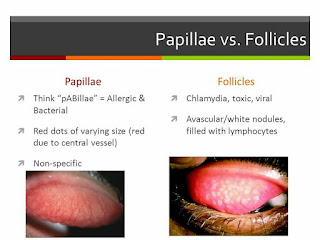
The common name for bacterial and viral conjunctivitis is pink eye. Bacterial pink eye is less common than viral pink eye and has symptoms that differ from viral pink eye and eye allergies. Symptoms Bacterial pink eye symptoms typically include: Crusty yellow or green discharge from your eyes Eyelids that are stuck together Redness (often is just one eye, though it can appear in both) Viral pink eye often occurs with the common cold. You may have redness and eye discharge that's more watery than crusty. Causes Staphylococcus and streptococcus bacteria are some of the most common causes of bacterial pink eye. For example, the same bacteria that cause strep throat might lead to bacterial pink eye. Those bacteria can spread from hand to eye or through respiratory droplets. You can get viral pink eye the same way you get a cold, such as by touching infected surfaces and then touching your eyes. The same viruses that cause common colds can result in this infection. Diagnosis A healthcare provider can diagnose pink eye by looking at your eyes and swabbing the conjunctiva. They will send the swab sample to a laboratory for analysis. Some analyses can determine what type of bacteria or virus is causing your symptoms. Treatment A healthcare provider will likely prescribe antibiotic eye drops or ointments to treat bacterial pink eye. Antibiotics will not help treat viral pink eye, but artificial tears, cool compresses, and mild eye steroid drops can ease discomfort. Viral pink eye usually goes away on its own within three weeks, but it can sometimes turn into bacterial superinfection. For example, you can introduce bacteria into your eyes if you keep rubbing them. Bacterial and viral pink eye are contagious. Be diligent about washing your hands if you have it or are around someone who does. You might develop eye allergies if you are allergic to dust mites, mold, pet dander, pollen, or other allergens. The conjunctiva becomes inflamed and swollen when those substances come into contact with your eyes. Symptoms Eye allergies typically cause symptoms like: A gritty feeling in your eyes Burning Itching Light sensitivity Redness Swelling of the eyelids Watery eyes Causes Allergens, including dust mites, mold, pet dander, and pollen, cause eye allergies. Your body overreacts when one of those harmless substances comes into contact with your eye and releases histamine. This chemical causes the blood vessels in the conjunctiva to swell, resulting in itchy, red, and watery eyes. Diagnosis A healthcare provider may look at your eyes for signs of allergic conjunctivitis: "If we look under the eyelid, we may find bumps indicative of allergies, called papillae," Jules Asher Winokur, MD, an ophthalmologist at Northwell Health, told Health. You might require an allergy test to check for what's causing your symptoms. For example, a healthcare provider might advise a skin test if your symptoms do not go away with at-home treatments. They might inject allergens into your skin or tape them onto your skin for 48 hours and then check for a reaction. Treatment Allergic conjunctivitis is not contagious, and you can usually treat symptoms at home. One of the best ways to reduce symptoms is to stay away from whatever allergens are bothering you. Other ways to treat eye allergies include: Apply a cool compress to your eyes to reduce discomfort. Avoid smoke and secondhand smoke. Take antihistamines, available over the counter as pills, capsules, liquids, and eye drops. Use decongestant, lubricating, or mild eye steroid drops. Make sure you take out contact lenses at the first sign of irritation and redness. Wearing contact lenses increases your risk of infection. Pink eye and eye allergies are both types of conjunctivitis that cause similar symptoms. The difference primarily lies in what's causing those symptoms. A healthcare provider might use different methods to diagnose and treat pink eye and eye allergies, depending on the cause. Here's a look at the similarities and differences between pink eye and eye allergies: Pink eye Eye allergies Symptoms Eye discharge (i.E., crusty or watery) and redness Burning, itching, redness, swelling, and watery eyes Causes Viruses or bacteria Allergens (e.G., dust mites, mold, pet dander, and pollen) Diagnosis Examining the eyes and swabbing the conjunctiva for testing Examining the eyes and performing an allergy test in severe cases Treatment Antibiotics (i.E., eye drops or ointments), artificial tears, cool compresses, and mild eye steroid drops Antihistamines, cool compresses, and eye drops Eye allergies are not contagious, so you cannot spread allergic conjunctivitis. In contrast, the viruses and bacteria that cause pink eye are highly contagious. You can take steps to prevent spreading pink eye, including: Avoid touching your eyes. Change and clean your contact lenses as instructed. Do not share eye makeup, handkerchiefs, and towels. Regularly change your pillowcases. Replace eye makeup if it expires. Wash your hands. Pink eye and eye allergies are types of conjunctivitis that often cause eye discharge, itching, redness, and watery eyes. Viruses and bacteria cause pink eye, while allergens result in eye allergies. A healthcare provider might examine your eyes to diagnose either eye concern. They might recommend antibiotics (if you have a bacterial infection), cool compresses, or eye drops. Eye allergies are not contagious, but you can prevent spreading pink eye by not sharing personal items and washing your hands regularly. Thanks for your feedback! 10 Sources Health.Com uses only high-quality sources, including peer-reviewed studies, to support the facts within our articles. Read our editorial process to learn more about how we fact-check and keep our content accurate, reliable, and trustworthy. MedlinePlus. Allergic conjunctivitis. MedlinePlus. Pink eye. Alfonso SA, Fawley JD, Alexa Lu X. Conjunctivitis. Prim Care. 2015;42(3):325-345. Doi:10.1016/j.Pop.2015.05.001 American Academy of Ophthalmology. Conjunctivitis: What is pink eye? Azari AA, Arabi A. Conjunctivitis: A systematic review. J Ophthalmic Vis Res. 2020;15(3):372-395. Doi:10.18502/jovr.V15i3.7456 Pippin MM, Le JK. Bacterial conjunctivitis. In: StatPearls. StatPearls Publishing; 2023. MedlinePlus. Conjunctivitis or pink eye. Solano D, Fu L, Czyz CN. Viral conjunctivitis. In: StatPearls. StatPearls Publishing; 2023. MedlinePlus. Allergy testing - skin. Baab S, Le PH, Kinzer EE. Allergic conjunctivitis. In: StatPearls. StatPearls Publishing; 2023.What You Need To Know About Eye Redness
Now let's explore the different causes of eye redness. For each one, we'll cover what it is, what causes it, and any other additional symptoms to be aware of.
AllergiesAllergies can affect the eyes, leading them to become red and swollen. Other symptoms that you may experience include:
Eye allergy symptoms can also be accompanied by other allergy symptoms, such as sneezing and an itchy, running nose.
Some common allergy triggers include:
Dry eyesTears are made by small glands above the eyes. They work to help protect and lubricate the eyes. You have dry eyes when your eyes don't produce enough tears.
Dry eyes are very common, with studies estimating a prevalence rate of between 5 to 50 percent. The condition is more likely to occur in women, people over the age of 50, and individuals who wear contact lenses.
If you have dry eyes, you may notice that your eyes appear red. Other symptoms include:
ConjunctivitisConjunctivitis happens when the membrane covering the insides of your eyelids and the white part of your eye, called the conjunctiva, becomes inflamed. This condition is also called pink eye.
Inflammation of the conjunctiva causes the whites of your eyes to appear pink or red in color. Some other symptoms that may occur with conjunctivitis are:
Conjunctivitis can have a variety of causes, including:
Conjunctivitis due to a viral or bacterial infection is very contagious. That means that it can easily be spread from one person to another.
BlepharitisBlepharitis is when your eyelids become inflamed. It can cause your eyelids or eyes to appear red and swollen.
Some additional symptoms of blepharitis are:
It's also possible for blepharitis to cause more serious symptoms, particularly if not managed. These can include things like loss of eyelashes, eyelashes that grow in the wrong location, or blurred vision.
Blepharitis can happen if you have high amounts of bacteria on your eyelids. The condition may also develop if oil glands in your eyelids become clogged. A mite infestation can also cause blepharitis in rare cases.
UveitisUveitis is inflammation that happens in the middle part of your eye, called the uvea. The uvea is an area found between the white of your eye and your retina.
Inflammation due to uveitis can lead to eye redness. Additional symptoms to look out for are:
There are a few known causes of uveitis, including:
Getting timely treatment for uveitis is vital. This is because the condition can lead to vision loss if not managed.
ScleritisScleritis is when inflammation affects the white of your eye, which is called the sclera. When this occurs, the white of your eye can become red and swollen. Additional symptoms can be:
The development of scleritis is often associated with an autoimmune disease. Examples include:
It's also possible for scleritis to happen due to an injury to the eye or an eye infection.
Subconjunctival hemorrhageSometimes, a blood vessel in an eye can break, leaking blood on the surface of your eye This is called a subconjunctival hemorrhage.
The condition may look serious, but it's often benign and goes away on its own in 1 to 2 weeks. Typically, the redness in the affected eye is the only symptom, although in some cases, your eye may feel slightly irritated.
However, if you have subconjunctival hemorrhage and your vision is decreased, talk with a doctor.
Some potential causes of subconjunctival hemorrhage are:
You may be more prone to this condition if you're taking blood thinners or have diabetes or hypertension.
Eyelid styeA stye is a blockage of the meibomian gland in the eye that causes inflammation. It can affect the outside or inside of either your upper or lower eyelid.
If you have a stye, the area at the edge of your eyelid can become red, swollen, and painful. The affected area may fill with meibum (due to the blocked gland) and can potentially grow to the size of a pea.
Angle-closure glaucomaGlaucoma is a condition where the pressure in your eye increases due to the eye producing more fluid than the normal rate. This can damage your optic nerve, potentially leading to vision loss.
There are different types of glaucoma. In one type, called angle-closure glaucoma, a rapid increase in eye pressure occurs. You may also see this type of glaucoma called closed-angle glaucoma or narrow-angle glaucoma.
The symptoms of angle-closure glaucoma come on suddenly and may include eye redness. Other symptoms to be aware of are:
Angle-closure glaucoma happens when your iris blocks the area through which eye fluid drains. Fluid begins building up in the eye, leading to a rapid increase in eye pressure. This type of glaucoma is an emergency and can lead to vision loss if you don't seek treatment right away.
Corneal ulcersCorneal ulcers are ulcers, or sores, that affect the outer part of your eye, which is called the cornea. This condition is also called keratitis.
In addition to red eyes, other symptoms of a corneal ulcer are:
There are several things that can cause corneal ulcers to develop:
It's important to seek timely medical attention if you have symptoms of a corneal ulcer. If not managed, this condition can permanently damage your vision.
InjurySustaining an injury that affects your eye may cause it to become red, often due to irritation or bleeding. Other symptoms that may occur with an eye injury are:
A few examples of common sources of eye injuries include:
Individuals who wear contact lenses have to touch their eyes and the surrounding area more often than those who don't wear contact lenses. As such, they're at an increased risk of eye redness due to a variety of factors. Some of these include:
In addition to eye redness, some symptoms of complications related to contact lenses are:
If you wear contact lenses and have any of the symptoms above, remove your contacts for a few hours. If your symptoms continue or become worse, contact an eye doctor.
Additional causes of eye rednessIn addition to the causes discussed above, some further causes of eye redness include:
What's Going Around: Flu, Strep Throat, Pink Eye
The providers at UPMC Children's Community Pediatrics in York and Spring Grove are seeing strep throat and flu this week.
This week, pediatricians at Penn State Health Children's Hospital are seeing a lot of the flu. They are also seeing cases of COVID and some RSV, as well as stomach bugs, colds and upper respiratory infections.
Penn Medicine Lancaster General Health Physicians Roseville Pediatrics saw a lot of flu this week. They also saw a lot of fevers with flu-like symptoms and a high number of strep throat cases. There was an increase in various viral-related rashes, in addition to pink eye.
Dr. Joan Thode offered the following advice about pink eye:
"Conjunctivitis is the general term for inflammation of the outer clear layer of the surface of the eye. Crusting on the lashes or even some mucous in the eye does not mean an eye infection. Conjunctivitis causes the white part of the eyeballs to appear pink due to the dilation of the many tiny blood vessels. Some call this "bloodshot eyes," but no matter how you describe the appearance of the eye, if the white parts are still white, the child does not have "pink eye."
Clear eyeballs and crusting on the lashes or some mucous at the inner corners of the eyes is often seen in infants and toddlers, though sometimes in older kids as well, in the context of a cold that causes the lining of the nose and sinuses to swell and impede the natural drainage pathway of the lubrication tears of the eyes.
If the eyeballs are in fact pink or red, there can be a few causes:
Bacterial conjunctivitis is frequently in only one eye and typically has thicker eye discharge. It can be painful or have a scratchy sensation when the child blinks. In babies, bacterial pink eye can frequently affect both eyes at the same time and should be evaluated for possible tear duct blockage. Bacterial pink eye is treated with eye drops by your child's primary physician. Until treated, it is very contagious.
Viral conjunctivitis frequently is seen in both eyes symmetrically. The discharge tends to be a bit thinner and waterier, though kids will frequently have crusting on their lashes after a period of sleep. Viral conjunctivitis is often seen in the second half of a virus and caused by the child rubbing their nose, then rubbing their eye, thus transferring the virus to the surface of the eye. Viral conjunctivitis will be killed off by the immune system at the same time it beats the virus elsewhere in the body. Antibiotic eye drops will not do anything to speed that process because they do not affect viruses. Unfortunately, viral conjunctivitis is also contagious by touch.
Allergic conjunctivitis is a reaction to the pollen or other allergens in the air. This causes the immune cells to release histamine, which makes the eyes red, itchy, and watery. Itchy eyes are most likely allergic conjunctivitis. There is rarely thick eye drainage, though it is common for the eyes to tear a lot. The appropriate eye drops are anti-histamine rather than antibiotic, and these can be prescribed by your child's primary physician.
Reasons to see the doctor regardless of eye redness, but especially if there is conjunctivitis: thick drainage from the eye; pain with eye movement; eyelid swelling; pain with light/light sensitivity; symptoms that worsen over two to three days; eye redness with any recent eye trauma or suspected foreign body in the eye; changes in vision
If you wipe away eye crust in the morning, revealing clear white eyeballs and none of the above listed symptoms, your kiddo is good to go about their normal day."

Comments
Post a Comment